

From Shelter to Sugarbush: How One Maple Syrup Trip Sparked Belonging for Newcomers
A Journey That Started Months before the Bus Ride
What looked like a simple outing to experience Canada’s maple syrup tradition was, in reality, the result of four months of intentional community-building.
It began back in December 2025, when Lisa Ward from the Toronto and Region Conservation Authority’s Multicultural Connections Program (MCP) first stepped into the shelter, not just to introduce a program, but to open a door.
That door led to two educational sessions in January and February, where newcomers learned about Canadian history, Indigenous knowledge, and cultural traditions. By the time March arrived, the maple syrup trip wasn’t just an activity; it was a culmination of trust, curiosity, and connection.
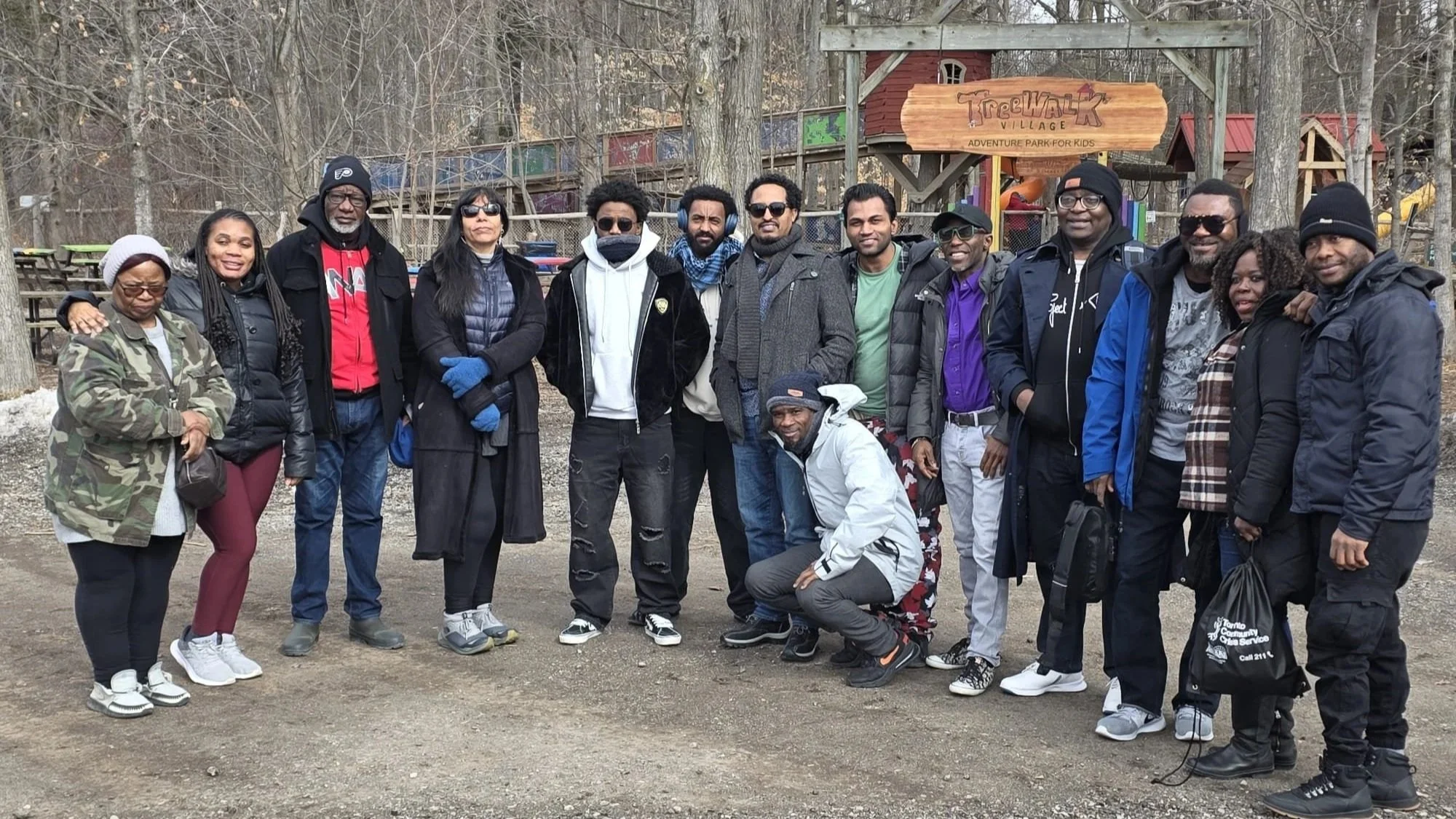
More than Maple Syrup: A Cultural Bridge
For many participants, this was their first time experiencing a deeply rooted Canadian tradition.
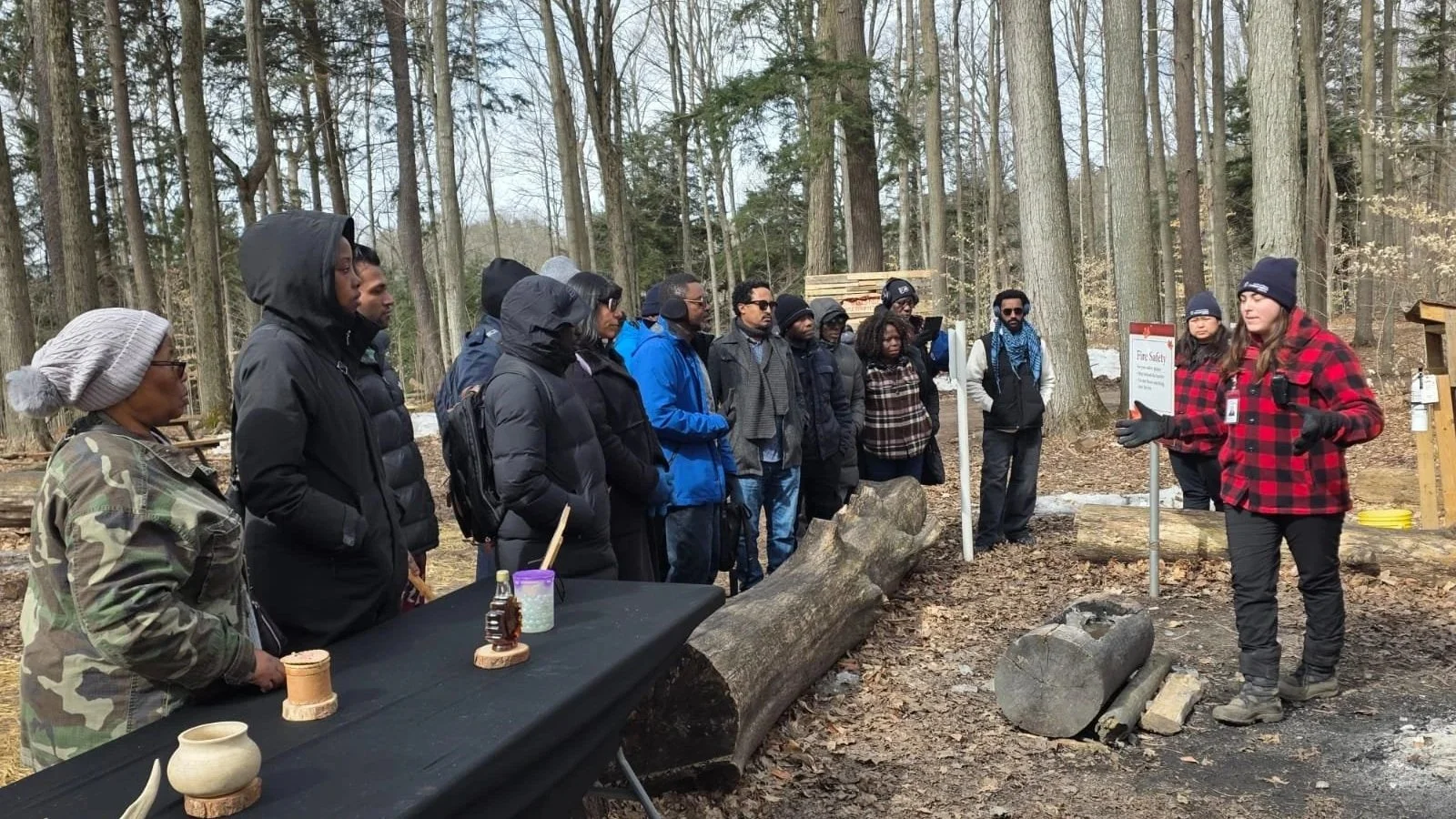
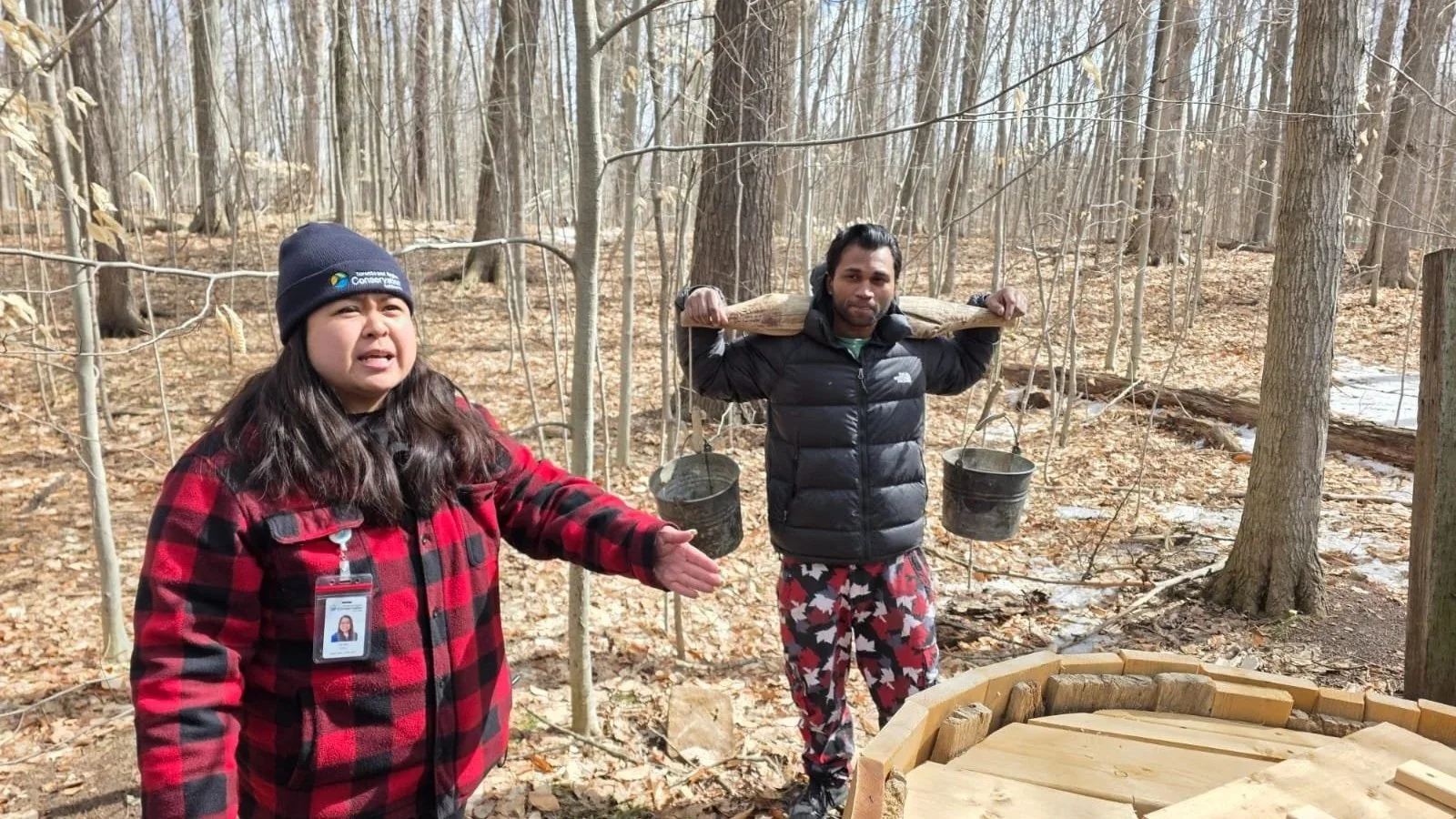
Walking through the forest, watching sap being extracted from trees, and tasting freshly prepared maple syrup created something powerful: a shared cultural moment.
But what made the experience truly meaningful were the reflections:
“Initially, I avoided maple syrup, believing it to be unhealthy, this trip changed my mind.”
“It reminds me of how we collected rubber sap back in Ghana, the same method.”
“This has inspired me to preserve my own culture for the next generation.”
These weren’t just comments; they were moments of recognition, connection, and pride.
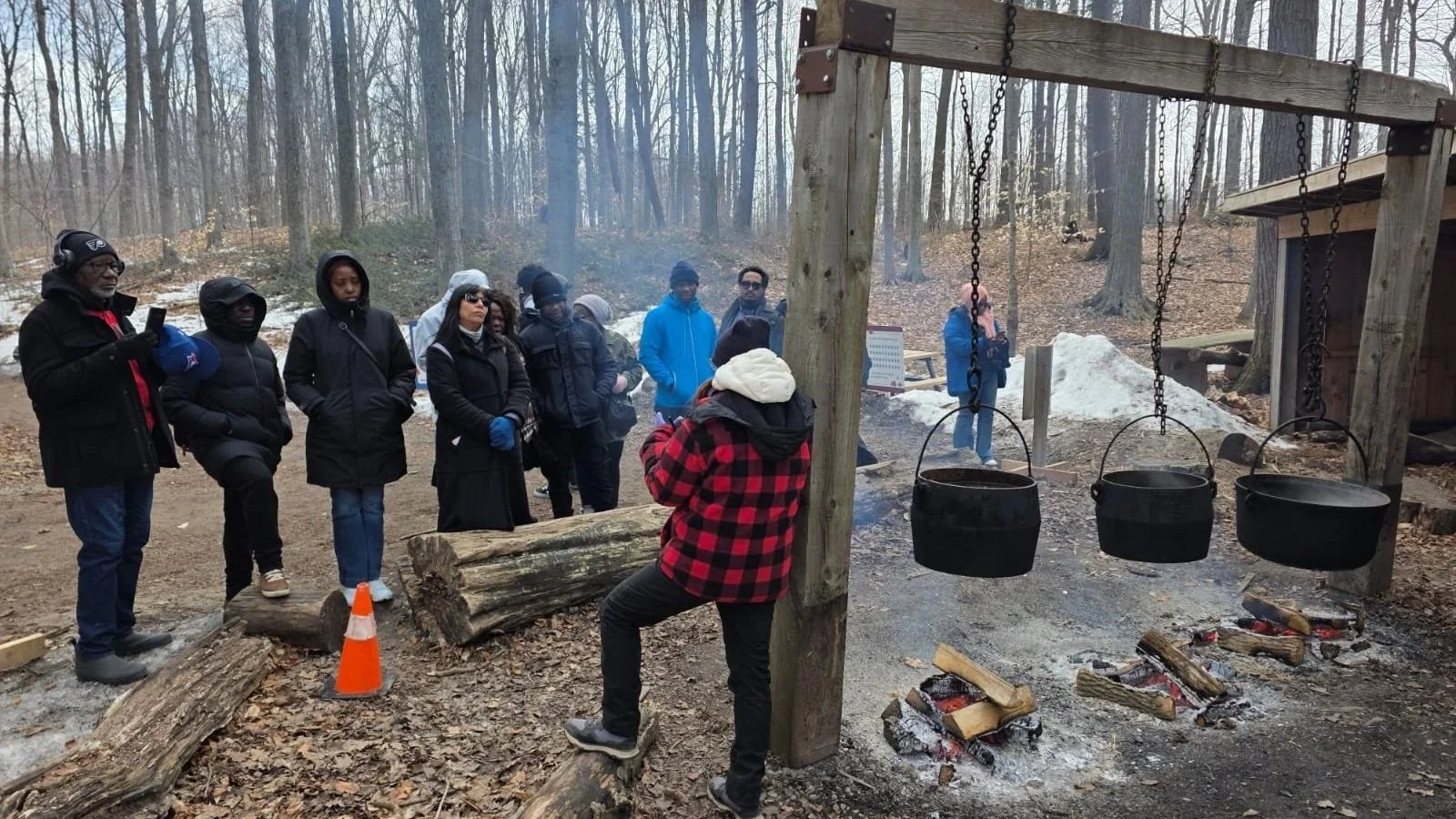
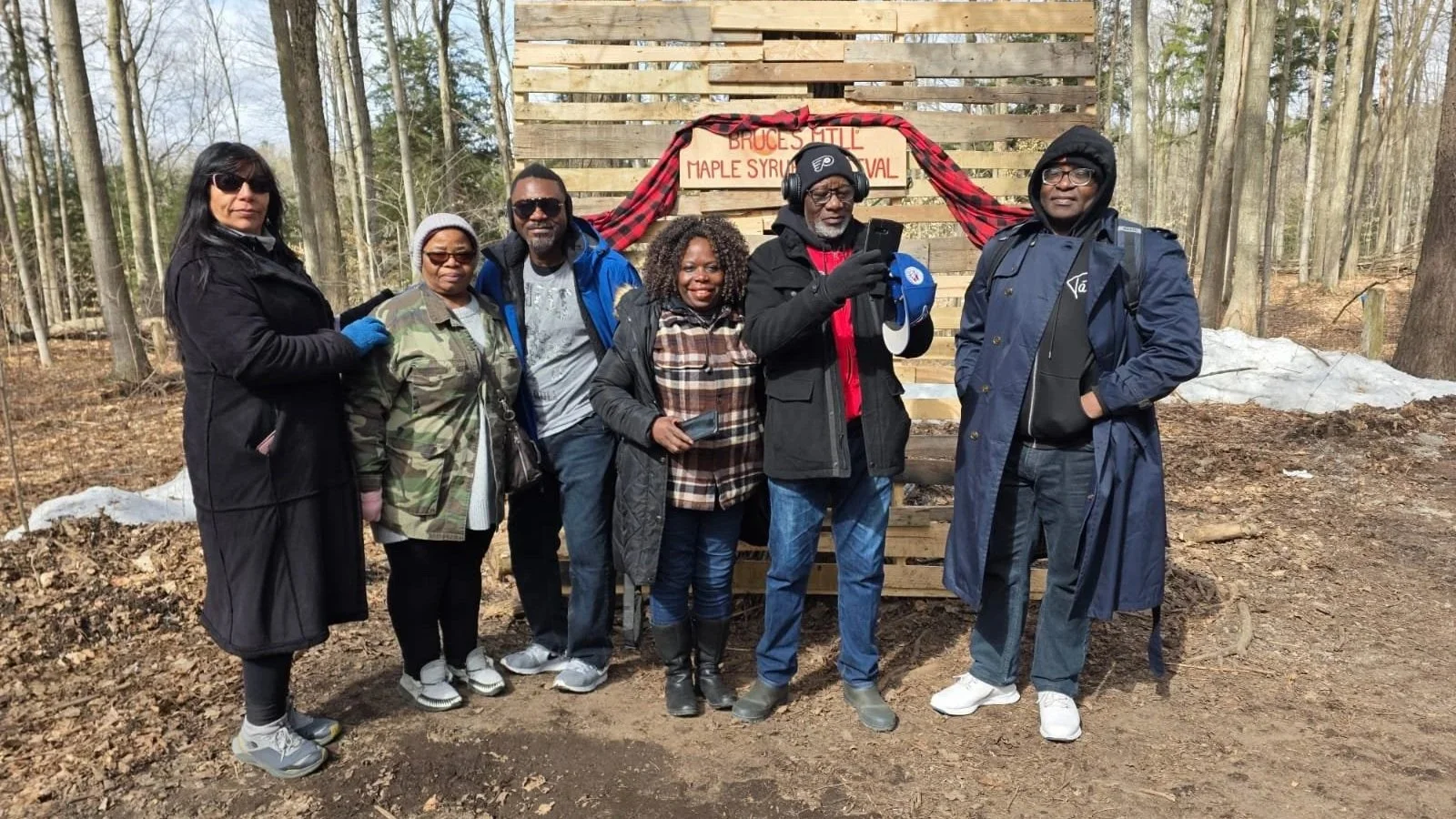
Breaking Isolation, Building Belonging
For many refugee claimants, daily life is often limited to the shelter environment, structured, repetitive, and isolating.
This trip changed that.
It has transformed:
Common spaces → Natural landscapes
Isolation → Community bonding
Uncertainty → Cultural discovery
Participants didn’t just attend, they engaged, shared stories, laughed, and supported one another. What emerged was not just a group, but a sense of family.
Why Experiences Like This Matter
At Impakt Foundation, programs like this are not “extra”, they are essential.
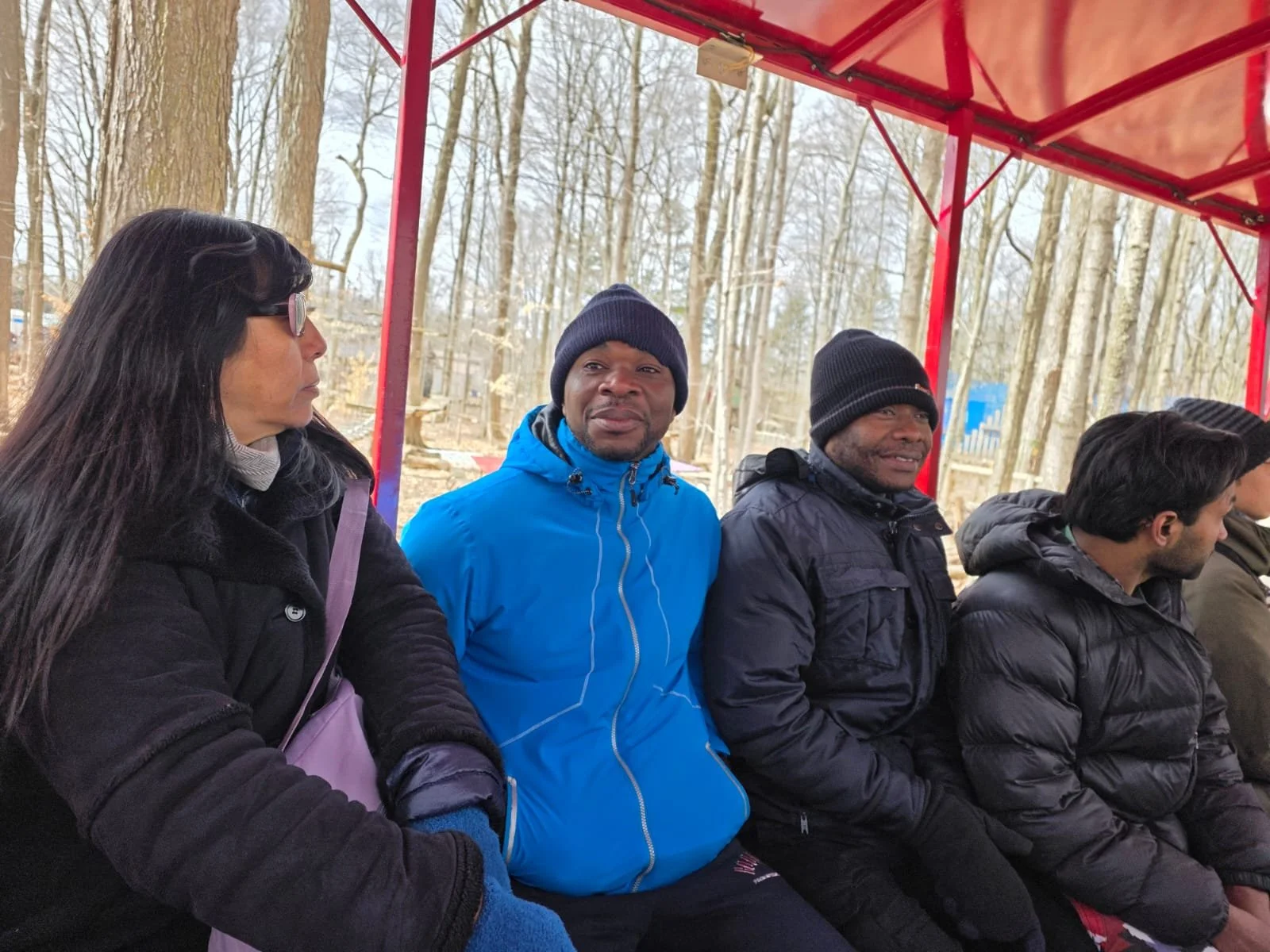
Because true integration goes beyond:
Housing
Employment
Documentation
It requires:
Human connection
Cultural understanding
Emotional safety
This experience reinforced key outcomes:
Strengthened mental well-being
Increased sense of belonging
Encouraged active participation
Built confidence and dignity
Participants moved from being passive recipients to becoming engaged contributors and storytellers.
A Model for Holistic Integration
Traditional settlement services can often feel fragmented and overwhelming. This initiative offers a different model:
Combine education + experience
Build relationships before outcomes
Create safe spaces for expression
Integrate culture into settlement
The result? Deeper, more sustainable impact.
Gratitude and Collaboration
This experience would not have been possible without:
Lisa Ward, for her dedication and thoughtful coordination
Claudia Chan, for guiding participants through the experience
Homes First, for ensuring participants were supported with meals and logistics
Toronto and Region Conservation Authority’s Multicultural Connections Program for funding the bus and tour at Bruce’s Mill Conservation Park
Their collaboration turned a simple trip into a transformational experience.
Final Reflection
For many, this trip revealed a side of Canada they had never seen before.
And perhaps more importantly, it helped them see themselves differently.
Not just as newcomers navigating uncertainty, but as individuals:
With stories
With culture
With a place in this community